2026/09/21
イタリアからいただくふるさと再生のヒント~チンギアーレ!
福井のふるさと再生のヒントを求めて、イタリアに視察旅行をしてきました。
イタリアではイノシシ肉を「チンギアーレ(Cinghiale)」と呼びます。
フランスでは「サングリエ(Sanglier)」。
イタリアでは、トスカーナ州やウンブリア州などの中部イタリアを中心に、フランスでは、サングリエの産地として知られるコルシカ島やサヴォワ地方などで、イノシシは秋から冬にかけての代表的なごちそう、つまりジビエ料理として、深く食文化に根付いています。
では、日本ではどうでしょうか?
ぼたん鍋などで食べることはあります。
しかし、それ以上に多いのが、食べることなく「駆除」され、土に埋められているという現実です。
我が福井県だけでも、年間4,500頭余りのイノシシが土に埋められています。
では、イタリア、特にトスカーナなどとの、この大きな違いは何なのでしょうか?
私は、その大きな理由の一つが、**「食べ方の幅」**にあるのではないかと思います。
イタリアでもフランスでも、ジビエは人気の高い食材です。
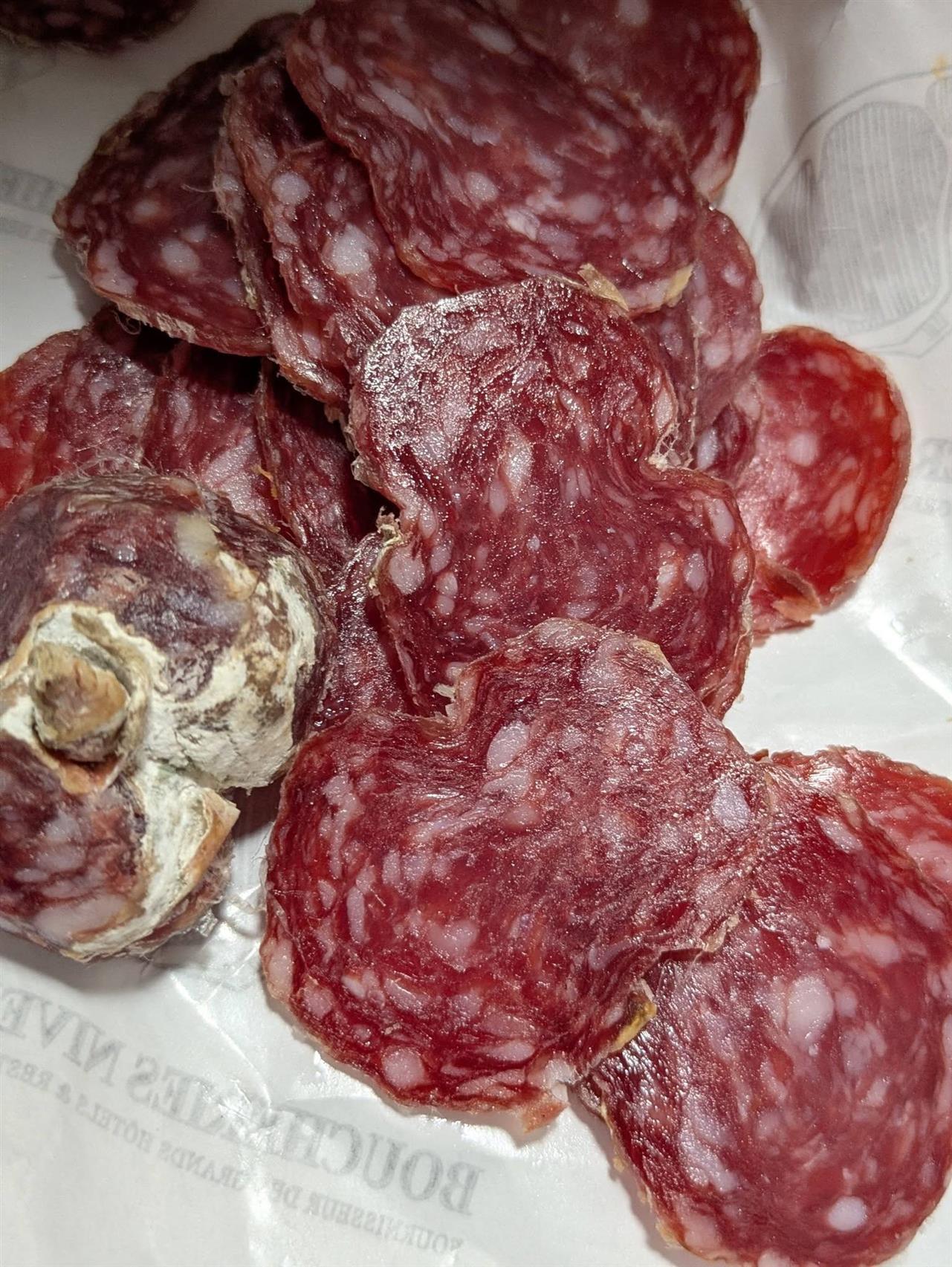
イノシシ肉は、パスタソースや煮込み料理だけでなく、ハム、ソーセージ、サラミなどの加工肉として、さまざまな形で活用されています。
イタリアにはチンギアーレ専門店まであります。
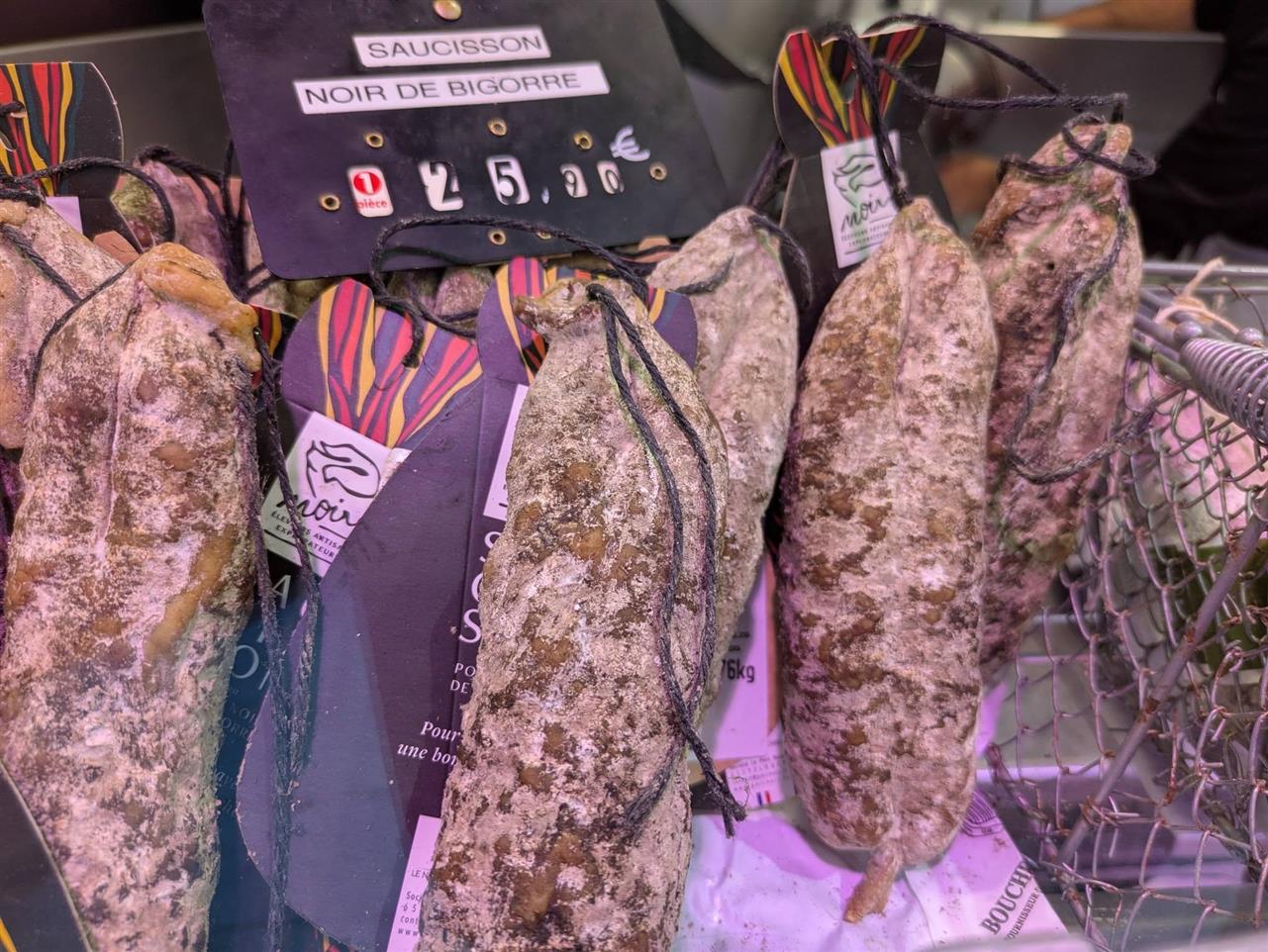
フランスの精肉店でも、サングリエのハムやサラミは定番商品として販売されています。
生肉だけではありません。
ハム、ソーセージ、サラミ、骨付き生ハムの原木。
そして、家庭ですぐに食べられるレトルトのパスタソースまで、日常の食卓に並んでいます。
もちろん、それらは美味しいから売れる。
そして、完成された製法によって、イノシシ肉に高い付加価値が与えられているのです。
例えば、イノシシ肉に豚肉を混ぜることで、しっとりとした食感と、柔らかな膨らみが生まれるのだそうです。
イノシシ肉と豚肉をどのくらいの割合で混ぜるのか、どの部位を使うのか――そこは企業秘密だそうです。
だったら、どうせ高くしか売れないのであれば、ハムやサラミに加工して、さらに付加価値をつければいい。
その技術を、本場で学ぶ。
私は、このチンギアーレ、サングリエの可能性を、福井に持ち帰りたいと思っています。
調べてみると、チンギアーレの主要産地であるトスカーナや、フランスのコルシカ島、サヴォワ地方などには、畜産関係の組織や事業者が、外部からの研修生を受け入れる仕組みがあります。
もちろん、本場へ行って技術を学ぶには、それなりの覚悟が必要でしょう。
しかし、考えてみてください。
もし、これほど美味しいイノシシのハムやサラミを作る本場の技術を福井に持ち帰ることができたら。
福井だけでなく、日本中で何が起こるでしょうか?
少し、想像してみてください。
私は、ジビエが日本でなかなか普及しない理由の一つは、提供する側の加工技術と、「食べさせ方」の選択肢の少なさにあるのではないかと思っています。
「生肉でどうぞ」と言われても、消費者にはどう調理していいのか分からない。
しかも、決して安い食材ではありません。
その結果、
「ジビエはクセがある」
「臭い」
「扱いにくい」
そんなネガティブなイメージばかりが先行してしまう。
ならば、イタリアのチンギアーレ、フランスのサングリエに学んで、福井独自の仕組みをつくれないでしょうか。
「福井チンギアーレ」システム。
年間4,500頭余りのうち、たった1%でも、質の高い食品として製品化できたらどうでしょう。
それだけでも、45頭。
それをハムやサラミなどに加工し、福井の新しい食文化として育てていく。
「御食国(みけつくに)」と呼ばれてきた福井の食の伝統に、新たな一品を加え、食の綺羅星の列に並べることができるかもしれません。
獣害を、吉と成す。
そのために、まずは人を育てます。
ワーキングホリデー制度などを活用し、30歳までの若者に、最低6か月間、本場に住み込みで研修してもらう。
渡航前には、イタリア語またはフランス語の日常会話を身につけるための語学研修も行う。
そして、福井のふるさと再生と、福井の食の未来を担う若者たちを、奨学金という形で支援する。
これは単なる個人の技術習得ではありません。
福井の地域再生、獣害対策、食文化の継承、そして新しい産業の創出につながる、公共性のあるプロジェクトです。
だからこそ、この研修にかかる費用を行政に支援してもらう。
そして帰国後は、「福井サングリエ」の立ち上げについても支援する。
もし5年以内に福井サングリエを立ち上げることができたなら、それまでの支援金については返済を免除する。
そんな仕組みをつくってはどうでしょうか。
福井の獣害を、福井の食の宝に変える。
そのための企画書を、私が書きます!
Fukui Cinghiale
Turning Wildlife Damage into a Culinary Treasure
I recently traveled to Italy on a study tour, looking for ideas that might offer clues for revitalizing rural communities in Fukui.
In Italy, wild boar meat is called cinghiale.
In France, it is called sanglier.
In Italy, particularly in central regions such as Tuscany and Umbria, and in France, in renowned sanglier-producing areas such as Corsica and Savoie, wild boar has become deeply rooted in the local food culture as one of the great seasonal delicacies of autumn and winter—in other words, as game cuisine.
But what about Japan?
We do eat wild boar, particularly in dishes such as botan-nabe, a traditional Japanese hot pot.
But the reality is that far more wild boar is simply culled and buried in the ground without ever being eaten.
In Fukui Prefecture alone, more than 4,500 wild boars are buried every year.
So what accounts for this enormous difference between Japan and places such as Tuscany?
I believe one of the major reasons is simply the range of ways in which the meat is enjoyed.
In both Italy and France, game meat is highly valued.
Wild boar is used not only in pasta sauces and stews, but also in a wide variety of cured and processed meats, including ham, sausages, and salami.
There are even specialty shops in Italy devoted exclusively to cinghiale.
And in French butcher shops, sanglier ham and salami are standard products.
It isn't just sold as fresh meat.
There is ham.
Sausage.
Salami.
Whole bone-in cured hams.
And even ready-to-eat, shelf-stable pasta sauces that can be served at home and enjoyed as part of an everyday meal.
Of course, these products sell because they taste good.
And through highly refined production techniques, wild boar meat is transformed into products with significant added value.
For example, I was told that blending pork with wild boar meat creates a moist texture and a softer, fuller mouthfeel.
The exact ratio of wild boar to pork, as well as which cuts of meat are used, is apparently a trade secret.
So, if wild boar is inevitably going to be an expensive meat, why not turn it into ham and salami and give it even greater added value?
Learn the techniques at their source.
I want to bring the potential of cinghiale and sanglier back to Fukui.
When I looked into it, I discovered that in major cinghiale producing areas such as Tuscany, as well as in French regions known for sanglier such as Corsica and Savoie, livestock and agricultural organizations and producers have systems in place for accepting trainees from outside the region.
Of course, anyone who goes abroad to learn these skills must be prepared to make a serious commitment.
But just imagine.
What could happen—not only in Fukui, but throughout Japan—if we could bring home the authentic techniques used in these regions to produce such delicious wild boar ham and salami?
Think about it for a moment.
I believe one reason game meat has struggled to gain popularity in Japan is that we have not yet developed enough expertise on the production side, nor a sufficiently wide range of ways to prepare and enjoy it.
If consumers are simply told, “Here is some raw game meat—go ahead and cook it,” they may have no idea what to do with it.
And it isn't exactly cheap.
As a result, negative impressions tend to follow game meat:
“It has a strong, unusual flavor.”
“It smells.”
“It is difficult to handle.”
So why not learn from Italian cinghiale and French sanglier, and create something uniquely our own here in Fukui?
The Fukui Cinghiale System
What if we could turn even just one percent of the more than 4,500 wild boars culled in Fukui every year into high-quality food products?
That's just 45 animals.
We could process them into ham, salami, and other products, and nurture them into a new part of Fukui's food culture.
Fukui has long been known as Miketsukuni—literally, “the land that provides food,” a historical designation referring to regions that supplied food to the imperial court.
Perhaps we could add a new star to Fukui's long tradition of culinary excellence.
Turn wildlife damage into a blessing.
To make this happen, we must first develop the people who will carry the idea forward.
Using programs such as working holidays, we could send young people aged thirty or under to live and train in the heart of the industry for at least six months.
Before they leave Japan, they would receive language training so that they can communicate comfortably in everyday Italian or French.
We would support these young people with scholarships, because they would be taking on more than the task of learning a specialized skill.
They would be helping to shape the future of Fukui's rural communities and its food culture.
This is not simply a matter of training individuals.
It is a project with a clear public purpose—one that could contribute to rural revitalization, wildlife-damage mitigation, the preservation and evolution of food culture, and the creation of a new local industry.
That is why I believe public funding should support the cost of this training.
And once the trainees return to Japan, they could also receive support to establish Fukui Sanglier.
If they successfully launch Fukui Sanglier within five years, the financial support they received for their training could be converted into a grant, with repayment waived.
Why not create a system like this?
Turn Fukui's wildlife problem into a culinary treasure.
I will write the proposal.
2026/09/05
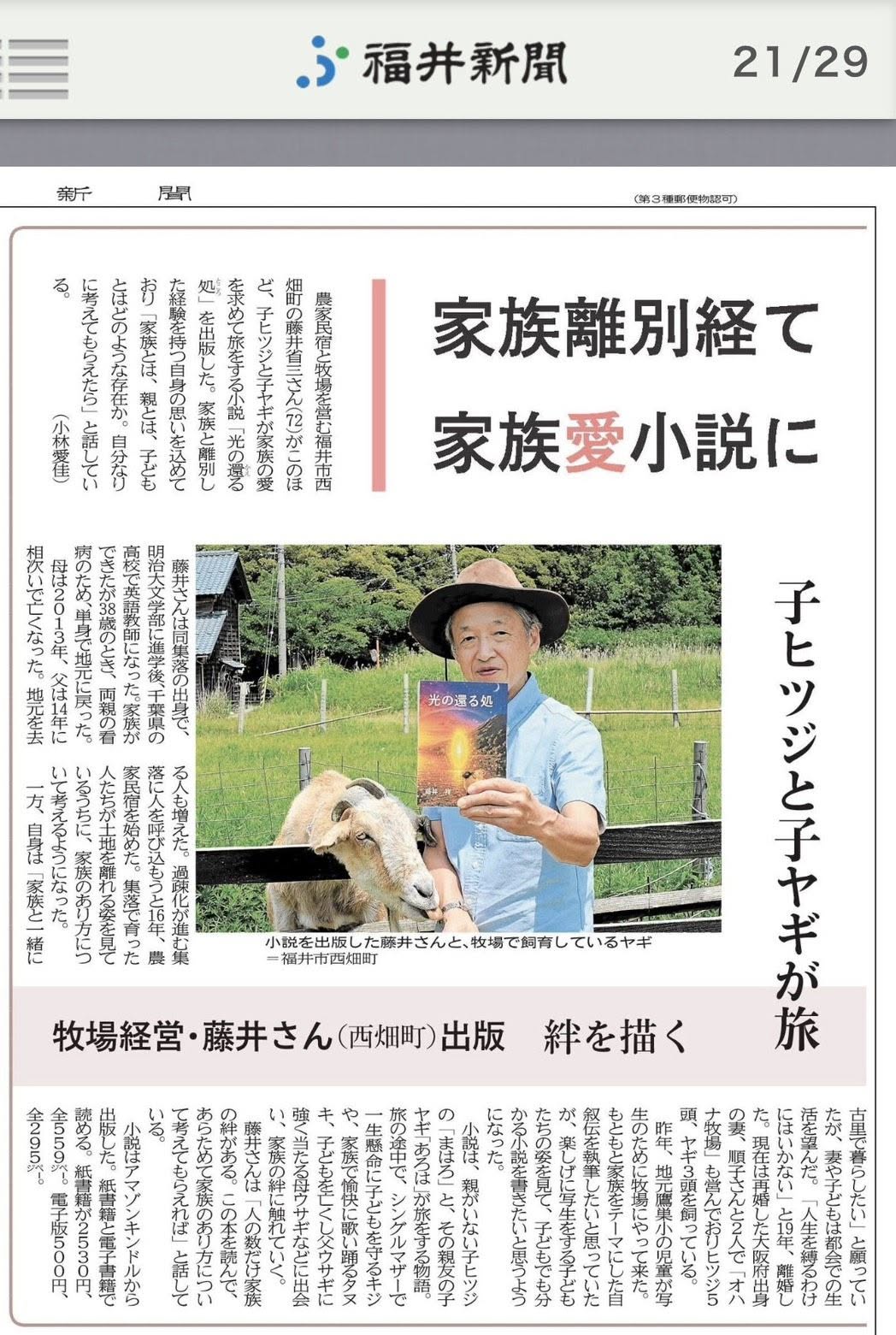
私の小説出版が新聞に紹介されました! My novel was introduced in the newspaper!
羊飼いが小説家に!(笑)
ヒツジとヤギを飼っているうちに、妄想が湧きましてね。
裏山に住んでいる動物たちを総動員して、うちの可愛いヒツジたちが冒険したらどんなんだろ~と思っていたら、妄想がどんどんふくらみ、その妄想をメモしていたら、すごい量になり。
それをまとめていたら、小説ができてしまった、という。(笑)
さらに、その妄想は2冊目の小説にまでふくらみ。
いやいや、すでに3冊目の妄想へと大発展を遂げているのです。
暇なんやろ?と言われるのですが、結構忙しい。
時間を見つけてはコツコツコツコツ。
人間て、やれば何でもできるんですね。
**A Shepherd Who Became a Novelist! (LOL)**
I raise sheep and goats, and one day, I started wondering…
“What if I gathered all the animals living in the mountains behind my farm and sent my adorable sheep off on an adventure? What would happen?”
Well… my imagination just kept running wild.
I started jotting down all those crazy ideas, and before I knew it, I had accumulated a *huge* pile of notes.
Then I began putting them all together—and somehow, a novel emerged. (LOL)
And that imagination grew into a second novel.
And now… believe it or not, it has already exploded into ideas for a **third novel**!
People tell me, “You must have a lot of free time, huh?”
Actually, I’m pretty busy.
I just find little pockets of time here and there, and keep working on it, little by little, day after day.
I guess this is what happens when you keep at something.
**Maybe humans really can do anything if they put their minds to it.**
![私の小説出版が新聞に紹介されました! My novel was introduced in the newspaper!]()
2026/07/24
福井県主催の「農家民宿開業セミナー」を我が家で開催!Hosting the "Farm Inn Business Seminar" at My Home!
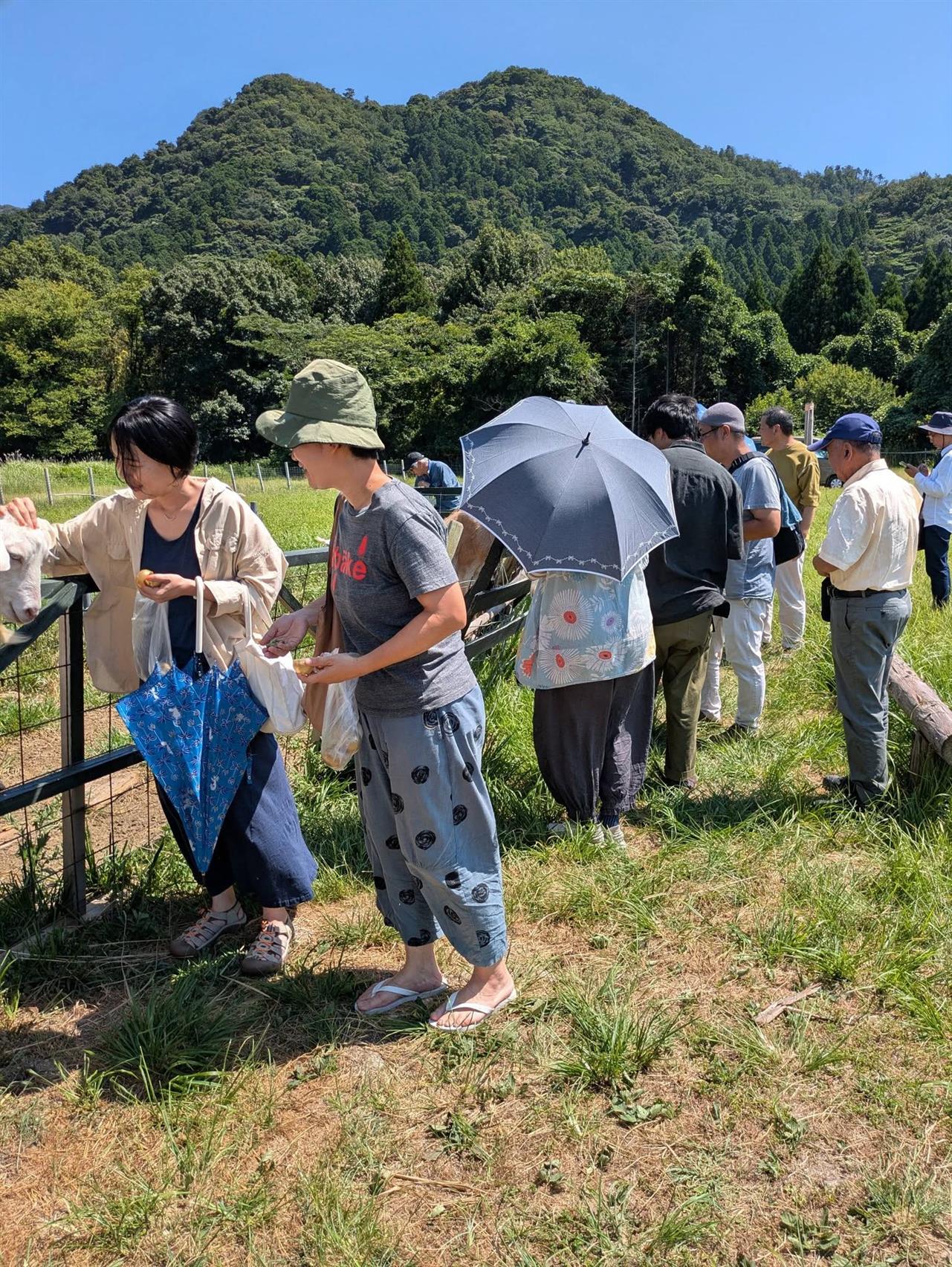
県の農家民宿開業セミナーを我が家で開催!
農家民宿はただの宿泊業じゃない。
農業収入を補完し、経営の安定化につながるという大切な役割がある。
しかし、その本当の価値は、都市部の人々を地域へ迎え入れ、人と人とのつながりを生み出すことにある。
訪れた人は、その土地の風景や食、暮らし、人柄に触れる。
一度きりの観光客として終わる人もいるだろう。
けれども、その中には何度も足を運んでくれる人が現れる。
こうした人々は「交流人口」から「関係人口」へと変わっていく。
そして地域とのつながりが深まれば、
将来的には移住や二地域居住という形で地域を支える存在になる可能性もある。
人口減少や高齢化が進む過疎地域にとって、
農家民宿は単なる宿泊施設ではない。
地域の魅力を伝え、
新しい人との縁を育み、
未来の担い手と出会うための「地域の窓口」なのだ。
私は10年間農家民宿を続けてきたが、
お客様がまた来てくださる理由は、
豪華な料理でも立派な施設でもなく、
「あの人たちにまた会いたい」
その一言に尽きるのだと思ってる。
農家民宿を始めると、
ホテルや旅館では考えられないような質問を受ける。
最初は驚いたよ。
でも、それはお客様が農家民宿に「暮らし」を求めて来ている証拠でもある。
農家民宿は宿泊業でありながら、実はとても人間的な仕事なんだと思う。
だって、農家民宿をやってみよう、なんて考える次元にいること自体が、もうその人は特別な人なんだもの。
ふつうは、そんな面倒くさいこと、って、やらないから。
でも、自分のふるさとのこと、地域のこと、いろいろ考えをめぐらすと、やらざるを得ない、やらなければならない。
誰もやらないなら、自分がやるしかない。
でも悲壮感を持ってやるのはいやだ。楽しくやりたい。
農家民宿って「宿泊業を始める」というより、
「地域との付き合い方を選ぶ」
ことなんだと痛感するよ。
だから、そもそも興味を持つ人が少ないんだろうな。
普通に考えたら、
他人を家に泊める
食事を用意する
話し相手になる
地域との調整をする
時にはクレームも受ける
こんな面倒なこと、絶対に、わざわざ引き受けないからね。
もっと楽な副業はいくらでもある。
でもね。
人と出会うのが楽しい。
お客様と話すのが楽しい。
自分のふるさとを紹介するのが楽しい。
まず、その気持ちがあること。
その結果として、
地域に人が来る。
地域にファンができる。
関係人口が増える。
そして、いつか移住者が現れるかもしれない。
地域の未来は、その先についてくるものだと思うんだな。
地域のために始めた部分もある。
でも10年続いたのは、単純に面白かったから。
もし、僕が農家民宿をやっていなかったら。
牧場もやっていないし、カフェもやっていないだろうな。
Youtube動画も作ってないだろう。
小説も書いてないだろう。
ただ、
村の連中と飲みながら、「人口減ったなあ」「空き家増えて来たなあ」「草茫々やなあ」「でも、どうしようもねえなあ」とうだつの上がらない愚痴の言い合い会をやってるだろう。
つまらないジジイになってたと思う。
よかったです。農家民宿やってて。
(English)
A farm inn is far more than just a place to sleep in. It plays a crucial role in supplementing farming income and helping stabilize business operations. But its true value lies in welcoming people from urban areas into our local community and forging genuine connections between human beings. Guests get to experience the local scenery, the food, the way of life, and the warmth of the people.
Some might only visit once as typical tourists. However, among them are those who return again and again. These visitors transform from mere "tourists" into "connected locals"—people who build lasting ties with the area. As those bonds deepen, they may even become key supporters of the community in the future, whether through moving here permanently or choosing to live between two homes.
For depopulated rural areas facing declining and aging populations, a farmstay is never just an accommodation. It serves as a gateway to the community—a place to share local charm, foster new connections, and meet the future stewards of our land.
Having run a farmstay for 10 years, I truly believe the reason guests come back isn't for lavish meals or grand facilities. It all comes down to a single feeling: "I want to see those people again."
When you start a farmstay, guests ask questions you’d never hear at a hotel or an inn. At first, it surprised me! But it’s proof that guests are coming to experience a genuine "way of life."
While it operates as lodging, I believe a farmstay is fundamentally a deeply human profession. In fact, just being at a stage in life where you’d even consider starting a farmstay makes you someone special.
Normally, people wouldn't take on something that seems like so much trouble. But when you start thinking deeply about your hometown and your community, you feel a gentle pull—you feel you have to do it. If nobody else is going to step up, then I'll do it myself. But I don't want to do it with a sense of martyrdom or duty; I want to enjoy it.
I feel strongly that running a farmstay isn't just "starting a business"—it’s "choosing how you engage with your community."
I suppose that’s why so few people are interested in it at first. If you think about it logically:
Hosting strangers in your own house
Preparing meals for them
Spending time chatting with them
Coordinating with neighbors and the local community
Handling the occasional complaint
Nobody in their right mind would go out of their way to take on all that hassle! There are plenty of easier side hustles out there.
But you see...
Meeting new people is fun.
Talking with guests is fun.
Sharing my hometown with others is fun.
Having those feelings comes first.
As a result:
People visit the town.
The community gains fans.
The network of connected supporters grows.
And someday, new residents might even decide to move here.
I believe the future of our region naturally follows from that groundwork.
Part of me started this for the community. But the reason I’ve kept it going for 10 years is simple: it’s just been so much fun.
If I hadn't started a farmstay, I wouldn't be running the ranch, and I wouldn't have opened the café either. I wouldn't be making YouTube videos, and I wouldn't be writing novels.
Instead, I’d probably just be drinking with the local guys in the village, whining endlessly: "The population's dropping," "So many empty houses now," "The weeds are overgrown," "But hey, what can you do?" I’d just be having useless complaint sessions.
I would’ve turned into a boring old man.
I'm so glad I decided to run a farmstay.
![福井県主催の「農家民宿開業セミナー」を我が家で開催!Hosting the]()